
 Adedokun Waliyu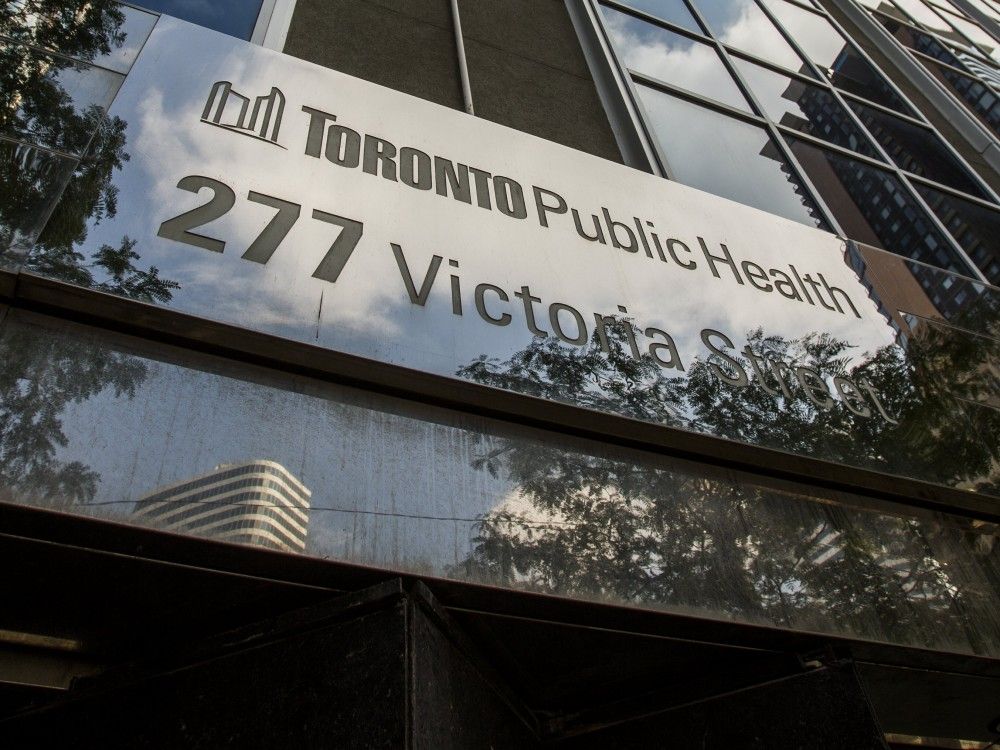
For the second time in three months, officials with Toronto Public Health are investigating an outbreak of Legionnaires’ disease in the city.
Public health officials announced that they have launched an investigation into six confirmed cases of the potentially fatal respiratory disease, focusing on a one-kilometre radius around the intersection of Bathurst and Dupont streets.
“To date, six confirmed cases have been identified among people who live, work or have visited the area. The individuals became symptomatic between Thursday, July 2 and Sunday, July 26,” Toronto Public Health said.
Officials are investigating possible sources of the bacteria through on-site inspections and environmental sampling.
“No source of infection has been confirmed, and the investigation remains ongoing,” the health agency said.
Toronto Public Health has also notified local hospitals and health partners to help identify and report any additional potential cases.
Not the first outbreak this year
Officials suspect the latest outbreak may be linked to similar cases of Legionnaires’ disease at Castleview Wychwood Towers, a city-owned long-term care home located northeast of Dupont and Christie, near the TTC’s Hillcrest transit yard.
Five confirmed cases have been associated with that outbreak, with the most recent patient developing symptoms on July 19.
While cases of Legionnaires’ disease are rare in Toronto, this is the second outbreak recorded in the city this year.
At least 12 people were diagnosed during an outbreak in May in the southeastern part of the city.
Across Ontario, about 200 to 300 cases are reported annually, with most occurring in small, isolated outbreaks.
What to know about Legionnaires’ disease
Legionnaires’ disease is a severe and potentially deadly form of pneumonia caused by inhaling tiny water droplets contaminated with Legionella bacteria.
Cases usually peak in late summer because Legionella bacteria thrive in warm water.
The bacteria are not spread through person-to-person contact. Instead, infections are commonly associated with man-made water systems such as building cooling towers, hot tubs, humidifiers, and large plumbing or fire-sprinkler systems.
The disease received its name following a 1976 outbreak of a mysterious respiratory illness at an American Legion veterans’ convention in Philadelphia. More than 200 delegates developed severe pneumonia after inhaling bacteria that had been growing in the hotel’s air-conditioning system.
Symptoms can include fever, cough, shortness of breath and muscle aches. The illness can range in severity, with older adults, smokers and people with underlying health conditions facing a higher risk.