 Adedokun Waliyu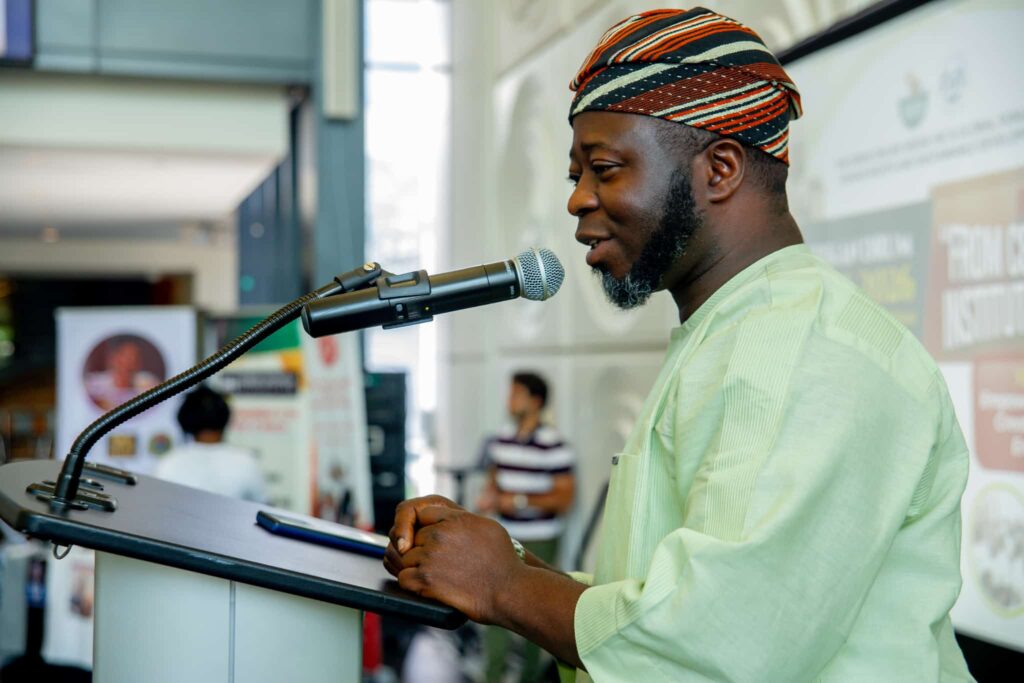
…As Prime Minister Mark Carney, Ontario’s Lieutenant Governor, Premier Commend Organizers.
The 2026 Pan-Afrikan Drum Festival in Canada has reinforced the power of African culture to unite people across borders, while opening a new chapter in the festival’s ambition to establish a stronger institutional presence in Nigeria.
The fourth edition of the festival brought together African communities and members of the wider diaspora for two days of cultural celebration, intellectual engagement, youth empowerment, skills acquisition, networking and recognition of individuals contributing to community development. Beyond entertainment, the event demonstrated how African heritage can be deployed as a tool for education, entrepreneurship, leadership development, cultural diplomacy and sustainable development.
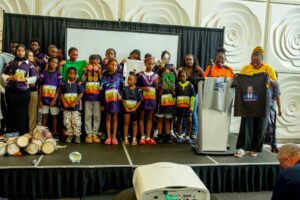
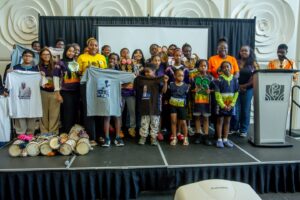
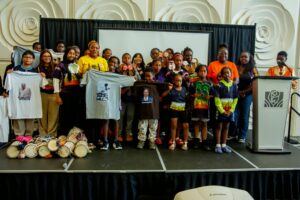
Organised by The Drum Online Organization (Pan-Afrikan) in collaboration with the Global Forum for Human Rights and Sustainable Development, the festival opened with a Youth Empowerment Programme at Conservatory Hall, Brampton City Hall, before culminating in a colourful Grand Finale at Wesley Banquet Hall in Toronto.
Held under the theme, “Re-engineering Afro-Canadians’ Cultural Heritages for Real Growth, Inclusivity & Sustainable Development,” the festival sought to reposition African cultural heritage as an active resource for social and economic development. Its activities reflected an effort to move beyond cultural celebration towards institution building and practical empowerment.
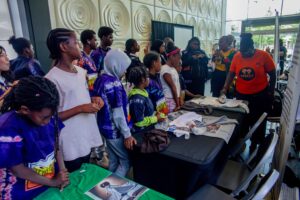
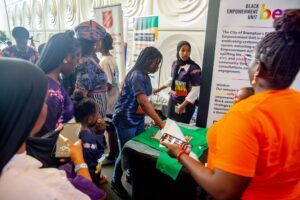
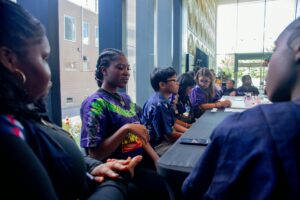
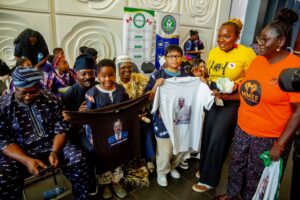
The opening day placed young people at the centre of the programme. The Youth Empowerment Programme, organised around the message, “From Celebration to Institution Building,” exposed participants to discussions on leadership, entrepreneurship, civic responsibility, human rights, cultural identity and nation building.
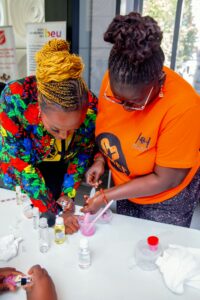
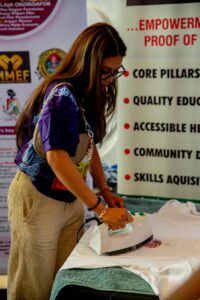
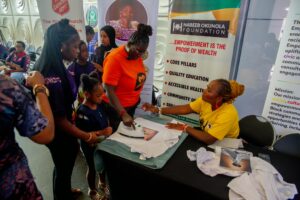
The programme also included practical vocational training designed to give participants skills that could potentially translate into entrepreneurial opportunities. Participants were trained in lip gloss production, custom cloth printing, herbal hair oil production, gypsum art and decorative crafts. Complimentary Adire fabrics were also distributed, creating a connection between entrepreneurship, African creativity and cultural identity.
The skills-acquisition component was facilitated by Chief (Mrs.) Kehinde Okoroafor, Chief Executive Officer of Make Me Elegant, and coordinated by Mrs. Folasade Akanni.
A number of prominent personalities participated in the youth programme, including Hon. Amandeep Sodhi, Member of Parliament for Brampton Centre; His Royal Majesty Oba Adeola Adeniyi Ajakaiye, the Oluyin of Iyin-Ekiti; Dr. Israel Olajumoke, State and Resident Pastor of Living Faith Church Worldwide, Lokoja, and Chairman of House of Destiny Global Services; and Yeye (Dr.) Afolashade Shona-Aluko, Yeye Bobajiro Oodua.
The Youth Summit reflected the organisers’ belief that preserving African heritage requires more than transmitting cultural practices. It must also equip younger generations with the confidence, knowledge, entrepreneurial skills and leadership capacity necessary to function effectively in contemporary society.
For the festival’s Convener and initiator, Prince Segun Akanni, youth empowerment is inseparable from the broader mission of preserving African cultural heritage and values.
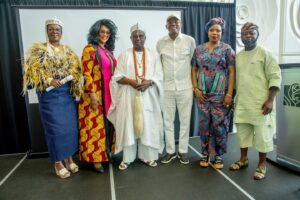
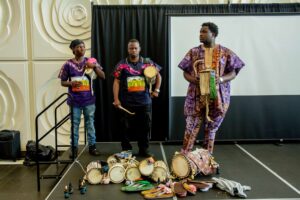
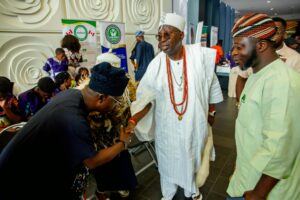
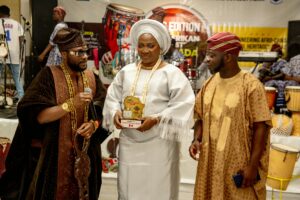
The second day shifted to Toronto, where Wesley Banquet Hall became a meeting point for African royalty, traditional fashion, music, drumming, dance and multicultural fellowship. The Grand Finale featured a ceremonial procession, opening prayer, the Canadian national anthem, Land Acknowledgement, recognition of distinguished personalities, an official opening ceremony, the Grand Pan-Afrikan Drum Procession and Royal Drum Display.
Goodwill messages, cultural and fashion showcases, musical performances and the presentation of the Pan-Afrikan Awards of Excellence further enriched the programme.
The Land Acknowledgement was delivered by Chief Jean-Jérôme Baudry, co-founder of Consejo Cultural Yorùbá de Canada. The acknowledgement recognised Canada’s Indigenous peoples while placing the African and diaspora experience within the country’s wider multicultural environment.
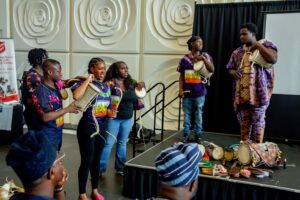
One of the major attractions was an interactive VIP Drum Performance, which allowed dignitaries and guests to participate directly in the festival’s central cultural symbol. The Pan-Afrikan Drum Festival drummers were joined by the NEEMA Cultural Choir and Drummers from East Africa, while the Funky Cultural Troupe and other artistes added traditional performances to the celebration.
African fashion, music and cultural entertainment further highlighted the diversity of African identities represented in multicultural Canada.
The growing profile of the festival was reflected in messages from senior Canadian leaders. Prime Minister Mark Carney commended the gathering as an opportunity to celebrate Canada’s cultural diversity and praised the organisers for bringing communities together and encouraging cross-cultural exchange.
Goodwill messages also came from Ontario Lieutenant Governor Edith Dumont, Ontario Premier Doug Ford, Ontario Minister of Citizenship and Multiculturalism Graham McGregor, Brampton Mayor Patrick Brown and Toronto Mayor Olivia Chow.
Other Canadian political and civic leaders, including Hon. Shafqat Ali, Member of Parliament and President of the Treasury Board of Canada, and Hon. Amandeep Sodhi, Member of Parliament for Brampton Centre, also acknowledged the significance of the festival.
African traditional institutions were equally prominent. The Ooni of Ife, His Imperial Majesty Oba Adeyeye Enitan Ogunwusi, Ojaja II, sent a goodwill message and was represented by Prince Victor Adekunle Alonge, Awokose Omoluabi Oodua. Alonge was also honoured for his contributions to culture and community development.
Prince Akanni expressed appreciation to the Ooni of Ife for his continued moral, spiritual and financial support for the festival.
Other royal fathers in attendance included Oba Adeola Adeniyi Ajakaiye, the Oluyin of Iyin-Ekiti; Oba Isaac Lanrewaju Ige, the Alaye of Aye; and Oba (Barr.) Lukmon Jayeola Agunbiade, Olute III, the Alagbara of Agbara Kingdom in Ogun State.
Their participation gave the festival a strong traditional dimension and underscored the role of African traditional institutions in cultural diplomacy, heritage preservation and reconnecting younger members of the diaspora with their ancestral roots.
Perhaps the most significant development arising from the festival was the call by monarchs and senators who attended the event for Prince Segun Akanni to establish offices of the Pan-Afrikan Drum Festival in Lagos and Osun states.
The leaders argued that operational offices in the two Nigerian states would bring the festival closer to its African roots and create a stronger platform for promoting its activities on the continent. They urged Akanni to develop the festival beyond its Canadian base and create an institutional structure that would enable Nigerians and other Africans in Africa to participate more directly in its programmes.
The proposed offices could also strengthen the relationship between the festival’s Canadian activities and Nigeria, while creating opportunities for cultural practitioners, young people, traditional institutions and community organisations to participate in future editions and related programmes.
The call reflected a broader understanding that the festival’s philosophy should not remain limited to the African diaspora. Its “From Celebration to Institution Building” approach could be replicated in Nigeria through cultural programming, youth empowerment, skills acquisition and international cultural exchange.
The intellectual dimension of the festival was strengthened by Professor Francis Olugbenga Fasanu, Professor of International Finance and Management Consultant at Sheridan College. Speaking on “African Drums, Cultural Roots, and the Economics of Waking Up,” Fasanu examined the deeper significance of the drum in African history and society.
He argued that the African drum should be regarded as more than an entertainment instrument, pointing to its historical role in communication, storytelling, identity and the preservation of intergenerational memory.
Using the Yoruba talking drum as an example, he explained how drums communicated messages, preserved histories, celebrated identities and connected communities.
His message was particularly pointed: the disappearance of traditional instruments and the knowledge surrounding them could result in the loss of important elements of African language, history and cultural memory.
Fasanu also commended Akanni for sustaining the festival and called for greater community support to ensure its continuity.
Nigerian political and community leaders also participated in the event. Amb. Adesina ’Lanre Ogunsola, Executive Chairman of Obafemi Owode Local Government in Ogun State, attended as Guest of Honour.
Members of the Osun State House of Assembly who attended included Hon. Oderinwale Elisha Akinyemi, Hon. Fatunmise Olumide Saheed, Hon. Ibrahim Waheed Abiola and Hon. Oladimeji Adekunle Emmanuel.
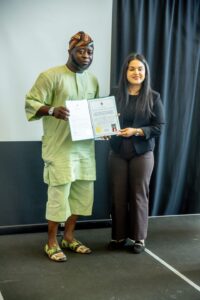
Also honoured with the prestigious Pan-Afrikan Awards were Oba Lukmon Jayeola Agunbiade, the Alagbara of Agbara; Oba Olusegun Aderemi, the Atayero of Aramoko; Dr. Israel Olajumoke, CEO of House of Destiny; Dr. Victor Adekunle Alonge; Yeye (Dr.) Afolashade Shona-Aluko, Yeye Bobajiro Oodua; and Alhaji Najeem Usman Yasin, Bashorun of Offa Kingdom, former President of the National Union of Road Transport Workers (NURTW) and Chairman of its Board of Trustees.
Other distinguished award recipients included Lady Adejisola Atiba, Madam Veronica Oluwatoyin Oyewunmi, and Mr. Johnson Afolabi.
The awards were presented by Prince Julius Ojo of Montreal, Canada; Otunba Adegbesan of Dublin, Ireland; and Pastor Elisha Ayantokun, in recognition of the recipients’ outstanding contributions and accomplishments.
By the conclusion of the two-day celebration, the Pan-Afrikan Drum Festival had demonstrated an evolution from a cultural gathering into a wider platform for youth development, cultural diplomacy, diaspora engagement and international collaboration.
Its 2026 edition showed that African heritage can be preserved while simultaneously serving as an instrument for education, empowerment, inclusion, entrepreneurship and sustainable development. The festival also illustrated the potential of cultural events to create relationships between communities in Africa and the diaspora.
The drums that reverberated through Toronto therefore carried a message that extended beyond music. They represented identity, unity, cultural pride and the enduring relationship between Africans on the continent and those living thousands of kilometres away.
With the call for the establishment of offices in Lagos and Osun, the festival now has an opportunity to deepen its presence in Nigeria and build a stronger institutional bridge between its Canadian activities and the African continent.
For Akanni and the Pan-Afrikan Drum Festival, the challenge ahead is to transform the momentum generated in Canada into a sustainable cultural institution capable of reaching new generations. The central message is clear: the drum must not merely continue to sound; the history, values, creativity, identity, unity and cultural memory it represents must also be preserved, strengthened and passed on to generations yet unborn.