
 Adedokun Waliyu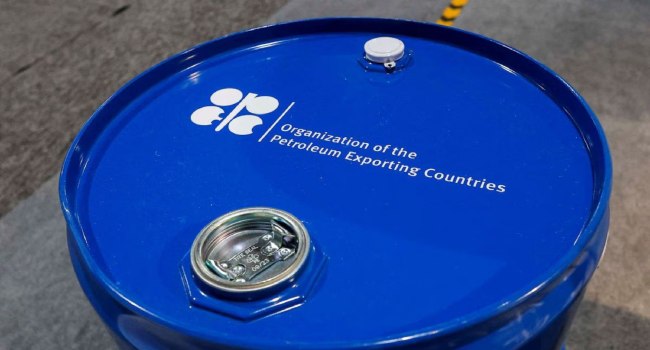
Nigeria has once again failed to meet its crude oil production quota approved by the Organization of the Petroleum Exporting Countries, according to the latest data released by the Nigerian Upstream Petroleum Regulatory Commission.
The commission’s National Liquid Hydrocarbon Production Report showed that Nigeria’s average daily crude oil production in April stood at about 1.4 million barrels per day (bpd), slightly below the country’s OPEC allocation of 1.5 million bpd.
Although total oil output — including condensates — reached approximately 1.6 million bpd during the month, it still fell short of the 1.84 million bpd benchmark projected in Nigeria’s 2026 budget.
The development marks the ninth consecutive month Nigeria has failed to consistently meet its OPEC production target since July 2025.
According to the report, combined crude oil and condensate production peaked at 1.85 million bpd in April, while the lowest daily output recorded during the period was 1.46 million bpd.
Despite the shortfall, the April figures represented a slight improvement from March production levels, which stood at around 1.55 million bpd in total output and 1.38 million bpd in crude oil production alone.
Nigeria’s oil sector has continued to struggle with major challenges including crude oil theft, pipeline vandalism, ageing infrastructure, and limited upstream investment.
The Federal Government and industry stakeholders have been pushing to increase production to 2 million bpd in order to boost national revenue, improve foreign exchange earnings, and support implementation of the 2026 national budget.
Production data also showed fluctuations earlier in the year. Nigeria recorded 1.46 million bpd in January after recovering from 1.422 million bpd in December 2025. However, production later declined sharply in February before improving marginally again in April.
In 2025, Nigeria reportedly met or slightly exceeded its OPEC quota only three times — in January, June, and July — while production remained below target during most other months.
The continued underperformance raises concerns about Nigeria’s ability to maximise oil revenue at a time when the country is relying heavily on crude exports to stabilise the economy and finance government spending.