
 Adedokun Waliyu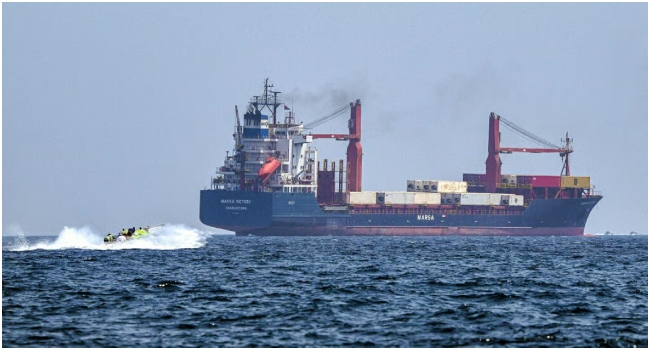
Iran has again closed the Strait of Hormuz, just hours after reopening it, following tensions over a United States naval blockade.
Iran’s military announced that control of the waterway had returned to “strict management” by its armed forces in response to the blockade imposed by the United States. The move disrupted commercial shipping, with several vessels attempting to pass through while others turned back.
The development casts doubt on optimism expressed by Donald Trump, who had said a peace deal to end the war involving the United States, Israel, and Iran was close.
The Strait of Hormuz is a critical global shipping route, carrying about a fifth of the world’s oil and liquefied natural gas. Its temporary reopening had earlier triggered a drop in global oil prices, but renewed restrictions have created fresh uncertainty in energy markets.
Reports also indicated heightened tensions at sea, including an incident where a tanker near Oman was approached and fired upon by Iranian vessels, though no casualties were recorded.
Iranian officials insisted that the country would resist external pressure, while its leadership signalled readiness to confront any escalation.
Meanwhile, diplomatic efforts to end the conflict continue, with mediation led by Pakistan and supported by Egypt. Talks are expected to continue as both sides attempt to reach a final agreement.
Despite the ceasefire still being in place, key issues—such as Iran’s uranium stockpile and long-term control of the Strait of Hormuz—remain unresolved.