
 Adedokun Waliyu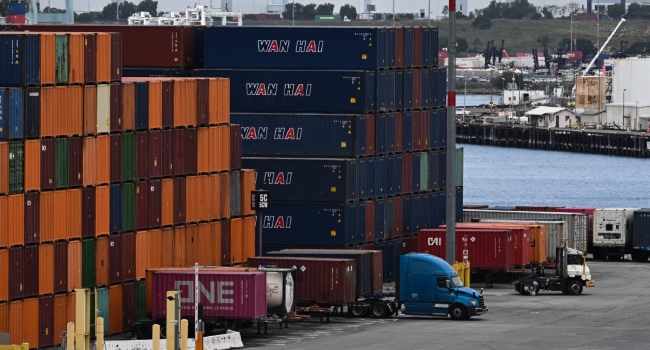
The United States trade deficit increased in March, driven by a surge in imports linked to growing investment in artificial intelligence.
According to data from the US Commerce Department, the trade deficit rose by 4.4 percent to $60.3 billion.
The increase was largely due to imports rising faster than exports. Imports climbed by 2.3 percent to $381.2 billion, with notable increases in vehicles and parts, consumer goods, and industrial supplies. Demand for AI-related technology, including computers, accessories, and semiconductors, also contributed significantly to the rise.
Exports also grew, increasing by 2.0 percent to $320.9 billion. Gains were seen in crude oil and petroleum products, as well as food and beverage exports.
Energy exports were boosted following the escalation of conflict involving Iran, which disrupted key oil routes such as the Strait of Hormuz and drove up global oil prices.
Trade patterns were also influenced by policy changes after the Supreme Court of the United States struck down major portions of global tariffs introduced by Donald Trump. Businesses responded by adjusting import activities, while the administration introduced temporary tariffs and considered longer-term measures.
Economists noted that rising imports, particularly in technology and consumer sectors, indicate continued strong investment and consumer activity. However, concerns remain about whether higher energy costs could affect this trend in the coming months.
Overall, the March deficit was slightly lower than expectations, suggesting some resilience in trade performance despite ongoing economic and geopolitical uncertainties.