 Adedokun Waliyu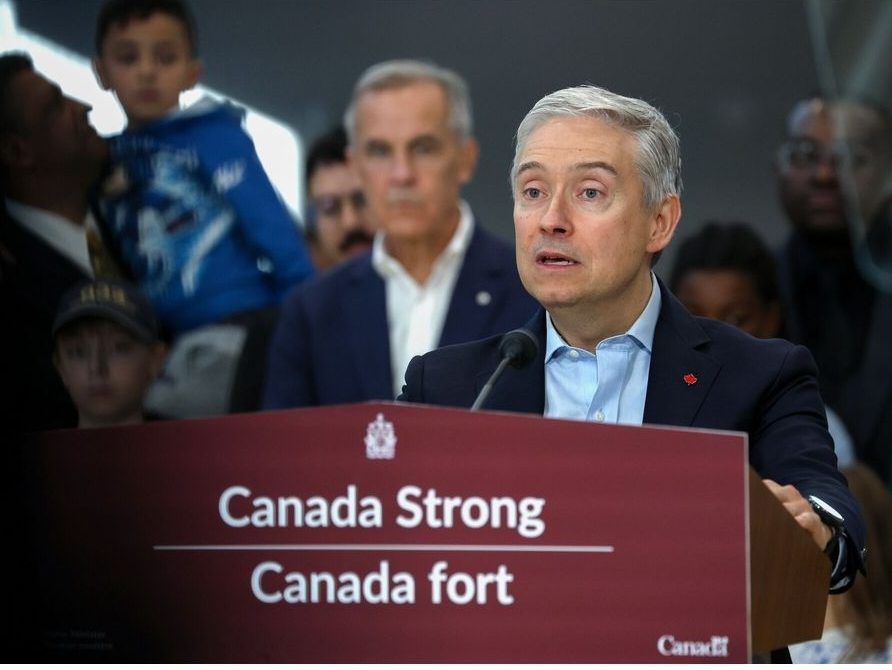
OTTAWA — Time to put away the chequebook and pick up a pair of scissors.
That’s the message the Canadian Taxpayers Federation has for parliamentarians returning to Ottawa on Monday, as the House of Commons begins its fall session.
“Taxpayers have a simple message for the government ahead of the budget: Stop borrowing money,” said Franco Terrazzano, the federation’s federal director.
“Canadians can’t afford to pay more than $1 billion every week to cover interest charges on the government credit card.”
Tighten The Purse Strings
Numbers introduced by the government in its spring economic update back in April suggest the federal government plans to borrow upwards of $65 billion this year.
Federal figures show debt interest payments alone will cost about $58.7 billion this year — a staggering tab that now exceeds what Ottawa sends to the provinces for healthcare ($57.4 billion) and collects through the federal goods and services tax ($53.4 billion).
“The world is more uncertain, but despite that the Canadian economy has proven to be resilient,” Finance Minister Francois-Philippe Champagne said in April during a post-economic update press conference, adding that Canada has entered a “new world order” of trade, investment, and sovereignty.
“Canada is moving forward with ambition and purpose, charting a path forward through the fog of uncertainty,” he added.
The 2025-26 deficit was forecast at $66.9 billion — $11.5 billion lower than what was forecast in Budget 2025 or just over 2% of GDP.
As well, April’s update predicted that Canada’s federal debt-to-GDP ratio would remain stable until 2030-31 and come in a percentage point lower than what was predicted in the last federal budget.
That claim, however, did not hold up to scrutiny. Parliamentary Budget Officer Annette Ryan issued her own forecast after the Spring Economic Update, predicting that annual deficits would average $4.6 billion higher over the five years outlined by the finance minister.
Ryan also said she expects the debt-to-GDP ratio to increase over that same five-year period, contrary to what Champagne predicted.
Tax Cuts Increase Competitiveness: CTF
Terrazzano is also urging the government to stop overspending.
“The federal government will spend $594.8 billion in 2026-27, according to the Spring Economic Update,” read the CTF’s statement.
“The government said it would spend $588.3 billion in last November’s budget.”
That, the federation says, means the government is expected to spend $6.5 billion over its own budget this year.
The federation is also urging the government to cut burdensome and uncompetitive taxes, including the industrial carbon tax and the alcohol escalator tax, which will drive up the price of alcohol by two per cent as of April 1, and to make temporary fuel excise tax cuts permanent.
“The fastest, simplest and easiest way for the government to make life more affordable and our economy more competitive is to stop taking so much money in the first place,” Terrazzano said.
“Canadian businesses are worried about surviving tariffs and people are losing sleep thinking about paying for the necessities and that’s why MPs need to prioritize tax cuts.”