 Adedokun Waliyu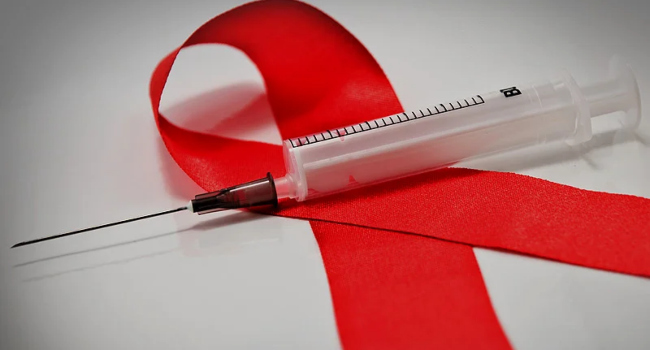
Almost 40% fewer people from Nigeria and 61 other countries received a drug that helps prevent HIV infection in 2025 compared to the previous year, as global aid funding cuts severely affected preventive services, according to early data presented by UNAIDS.
A Reuters report cited by the agency stated that 38% fewer people received pre-exposure prophylaxis (PrEP) at least once in 2025 compared to 2024. This represents a decline of 1.2 million people, from 3.3 million to 2.1 million, across countries including Nigeria, Cameroon, and Uganda.
Funding for condoms, another important HIV prevention tool, fell by more than 90% in some countries.
“We are undergoing perhaps the most serious disruption of HIV services since the HIV response started,” said Winnie Byanyima, Executive Director of UNAIDS. “We can’t sit here thinking that the impact isn’t so dramatic.”
Rise In Infections
Byanyima said that funding cuts, combined with increasing opposition to the rights of key populations, particularly LGBTQ people, had contributed to the decline in access to HIV prevention services. She warned that without urgent action, new infections and deaths could rise in the coming years.
According to the report, new HIV infections fell slightly in 2025, decreasing by about 100,000 from the previous year to 1.2 million. However, HIV testing declined by 22% in some high-burden countries, making it difficult to determine the full extent of the situation.
Despite these challenges, the number of people receiving treatment increased by 2.7% compared to the previous year. By December 2025, about 32.1 million people were taking antiretroviral drugs.
UNAIDS noted that while this growth was below previous annual increases of around 4%, it demonstrated that governments and communities had made efforts to close treatment gaps and avoid the worst outcomes feared when funding began to decline. However, the report showed that prevention programmes were more severely affected by the funding cuts.
The report also stated that domestic funding for HIV programmes increased in several countries for the first time since the COVID-19 pandemic. Nevertheless, UNAIDS expressed concern about the closure of many community-based organisations that form the backbone of HIV response efforts and depend largely on international aid.
The agency released the data ahead of a high-level United Nations meeting on HIV/AIDS scheduled to take place later this month in New York, where it will call for greater global solidarity in addressing the epidemic.
UNAIDS itself is also facing uncertainty after the United Nations proposed shutting down the agency in 2026 as part of measures to address its own funding crisis.
Byanyima said that a transformation process was underway within the agency and that a final report on its future would be released in October.
“What I’m certain about is that the United Nations will not drop its leadership role in the global response,” she said.