 Adedokun Waliyu
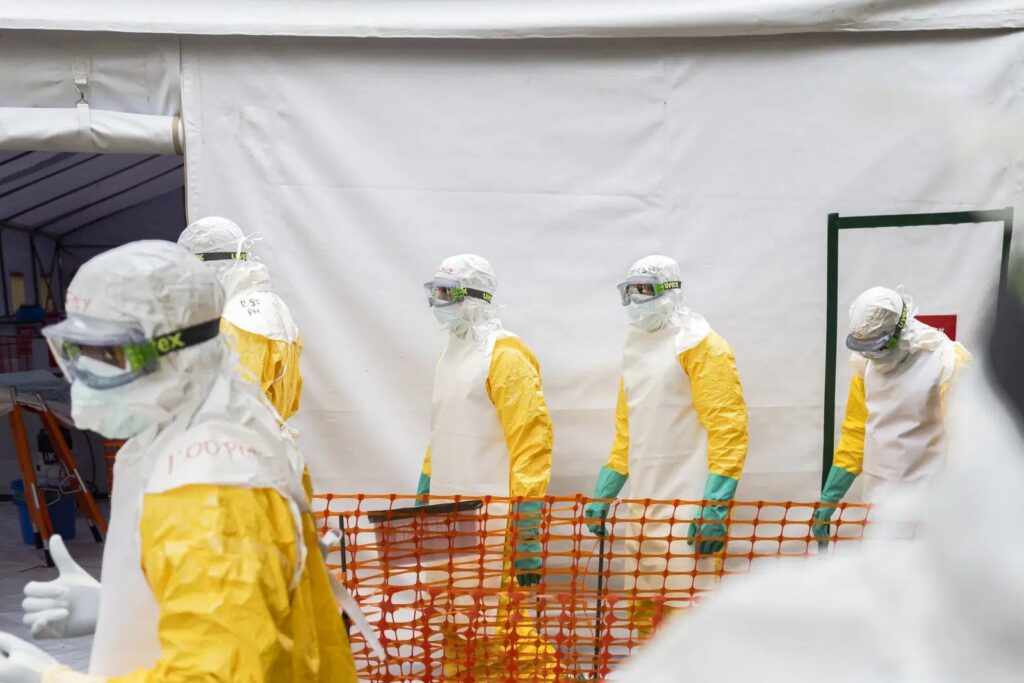
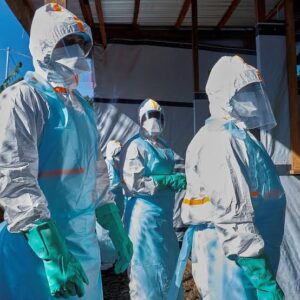
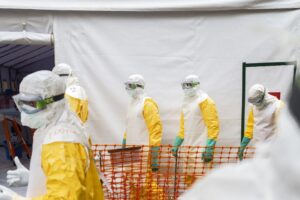
Africa’s latest Ebola outbreak has surpassed 10,000 confirmed cases, the vast majority of them in the Democratic Republic of Congo (DRC), according to Congolese health authorities.
According to the DRC’s figures, 10,060 people have been infected and 4,887 have died since the virus was first detected in May in the vast Central African country’s deadliest outbreak in its history.
Cases have also been detected in Kenya, Nigeria and Uganda, with the World Health Organization (WHO) warning that Africa faces a “complex” task in containing an outbreak spanning the eastern, western and central parts of the continent.
Among the major challenges facing the response is the lack of approved vaccines or treatments for the rare Bundibugyo species of Ebola responsible for the epidemic.
After recording a total of 20 cases and two deaths, neighbouring Uganda was declared Ebola-free by the WHO in late August.
Kenya, which had not reported a single case of the contagious virus until October 6, has also recorded two deaths from the disease.
The only case confirmed so far in Nigeria involved a Swiss woman who contracted the virus following a trip to Uganda with her husband. She was evacuated back to Switzerland on Monday.
Fifty-three of the patient’s contacts have been identified by Nigerian health authorities in an effort to prevent the virus from spreading across Africa’s most populous nation.
Some experts are concerned that the virus, which spreads through contact with bodily fluids, could have spread after the Swiss couple arrived in Nigeria on October 3.
The WHO said the patient developed symptoms on October 7 and sought medical care in Abuja on October 11 before testing positive for the Bundibugyo strain on October 20.