Ottawa Orders New Trial for Quebec Man Who Spent Three Decades Behind Bars
 Adedokun Waliyu
2 min read
Adedokun Waliyu
2 min read
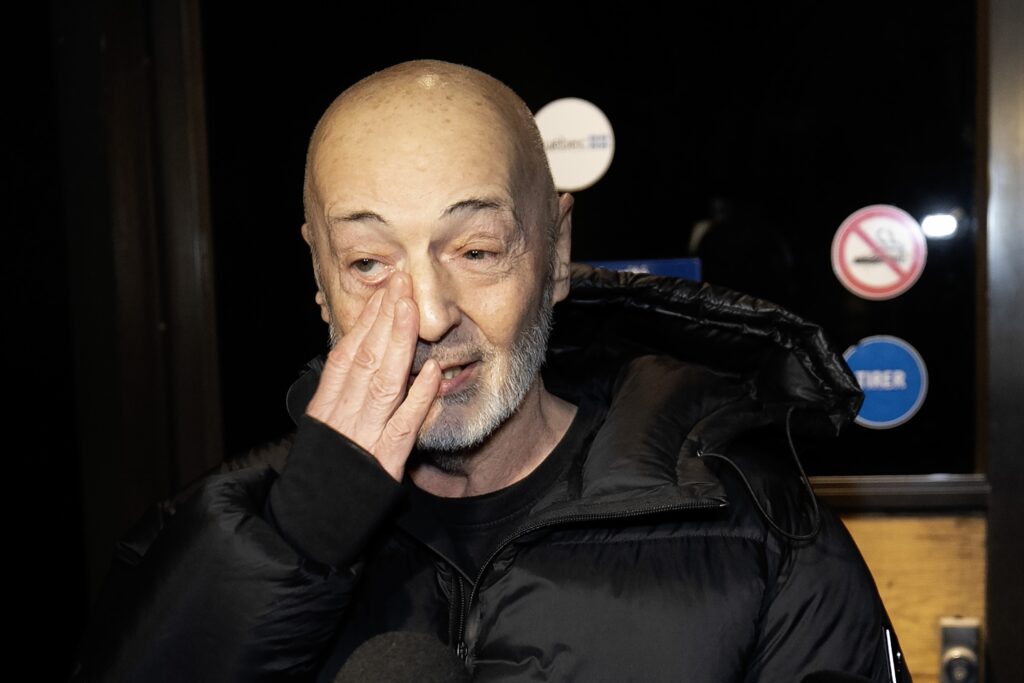
Canada’s Justice Minister, Sean Fraser, has ordered a new trial for Quebec resident Daniel Jolivet, who spent more than 30 years in prison after being convicted of the 1994 murders of four people in Brossard.
In a statement issued on Friday, Fraser said there were reasonable grounds to believe that a miscarriage of justice likely occurred during Jolivet’s conviction, prompting the decision to send the case back to the courts.
The minister stressed that the move does not determine whether Jolivet is guilty or innocent, but rather allows the courts to consider new legal issues and evidence in accordance with the law.
Jolivet was released from prison in December 2025 while the federal government reviewed his conviction. Following the latest decision, he said he now looks forward to a second trial, expressing confidence that he will finally be able to prove his innocence.
Speaking outside the Montreal courthouse, an emotional Jolivet held up the official letter authorising the new trial and said he intended to keep it as a reminder of the moment.
His lawyer, Nicholas St-Jean, described the decision as rare, noting that Canada’s justice minister intervenes in only a handful of cases each year by either ordering a new trial or referring a conviction back to the courts for review.
Although Jolivet has been out of prison for several months, his lawyer said the psychological effects of spending 33 years behind bars remain profound. He explained that years of wrongful incarceration had left deep emotional scars and that Jolivet still faces significant personal challenges.
St-Jean also maintained that his client did not receive a fair trial, alleging that important evidence was not properly disclosed to the defence during the original proceedings.
According to the lawyer, beyond regaining his freedom, Jolivet seeks a formal declaration of innocence through an acquittal by the court, believing that such recognition is essential to restoring his reputation.
Quebec’s prosecution service said it will now review the available evidence together with police investigators before deciding whether to prosecute Jolivet again. Prosecutors stated that they would conduct a comprehensive assessment to determine whether continuing the case would serve the public interest.
The prosecution also noted that the minister’s decision effectively returns the case to its position before the original trial, meaning Jolivet is once again legally presumed innocent unless proven guilty in court.
After the announcement, Jolivet thanked the legal team that fought for his release, as well as investigative journalists whose work uncovered documents that were not used during his original trial.
Looking ahead, he said he intends to focus on rebuilding his life, including continuing psychiatric treatment and spending time fishing as he works toward recovery after more than three decades behind bars.