
European Union Unveils Plans To Tackle Energy Crisis Amid Middle East War
 Adedokun Waliyu
2 min read
Adedokun Waliyu
2 min read
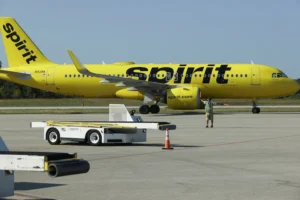
The European Union has unveiled plans to address an energy crisis triggered by the war in the Middle East, with a focus on monitoring jet fuel supplies as concerns grow over potential shortages ahead of the summer travel season.
Rather than introducing major new measures, the European Commission outlined a set of recommendations and initiatives described as a “toolbox” to help member states manage current and future energy challenges. EU chief Ursula von der Leyen said the steps are aimed at delivering both immediate relief and long-term solutions for citizens and businesses.
Jet Fuel
The commission plans to establish a fuel observatory to track production, imports, exports, and stock levels of transport fuels across the bloc. While there is currently no evidence of actual shortages, initial attention will be on aviation fuel.
Efforts will include coordination with member states, fuel suppliers, airports, and airlines to secure alternative sources and improve distribution across the EU.
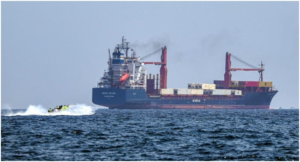
About 20 percent of jet fuel used in the 27-member bloc is imported through the Strait of Hormuz, which has been effectively disrupted by the conflict.
The EU is also considering importing more jet fuel from the United States and requiring member states to maintain minimum reserves.
Gas and Fertilisers
The EU will coordinate gas storage to avoid price spikes and may adjust storage targets to between 75 and 80 percent of capacity if necessary.
Due to rising global prices, the bloc has already spent billions more on energy imports since the escalation involving the United States, Israel, and Iran.
For fertilisers, the EU plans to introduce measures to diversify supply sources and boost domestic production.
Relaxed Rules and Energy Transition
The commission will introduce a temporary state aid framework to allow governments support key sectors such as industry, agriculture, and fishing.
It will also promote best practices to reduce energy consumption and accelerate the use of renewable energy, including incentives for solar power and heat pumps.
An electrification action plan is expected to be released to boost the transition to clean energy, alongside proposals to expand the use of hydrogen-based fuels such as sustainable aviation fuels.