

 Adedokun Waliyu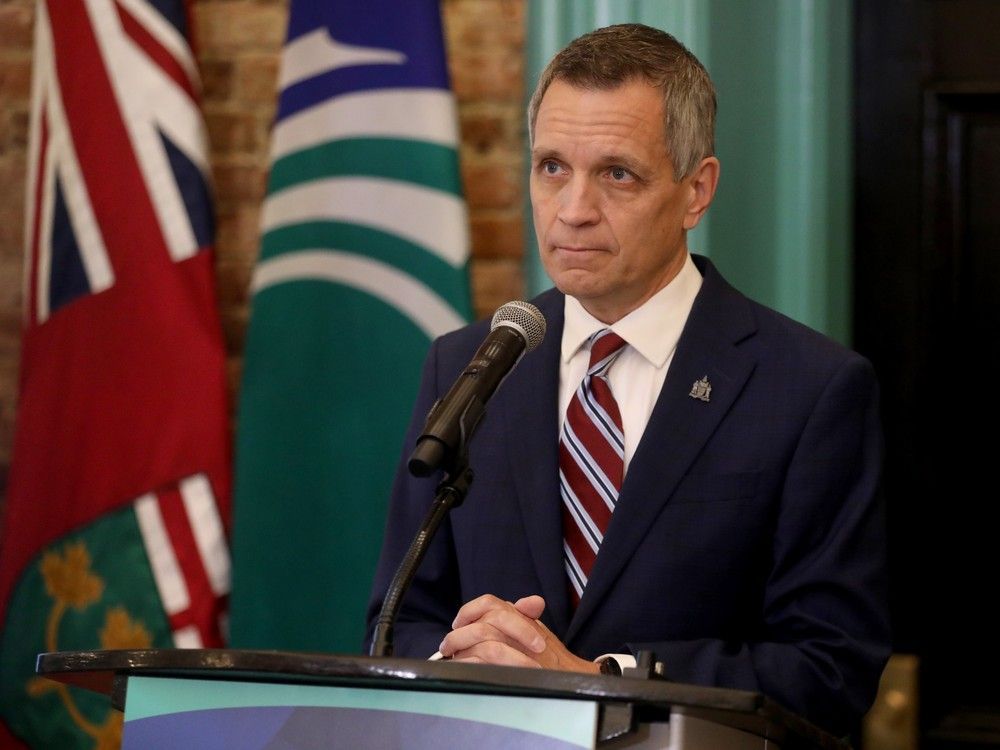
Mayor Mark Sutcliffe has pledged to end youth homelessness in Ottawa by 2030 through a series of investments in prevention and diversion initiatives with details to be announced in the months to come.
The city will announce “significant moves” to reach its goal, Sutcliffe said, beginning with 2026 budget commitments for new investments and measures to accelerate progress.
Sutcliffe was flanked by stakeholders as he made the announcement Sept. 16, including Kaite Burkholder-Harris, executive director of the Alliance to End Homelessness, Nina Gorka from the Youth Services Bureau, John Heckbert from Operation Come Home and Joan Riggs from the Ottawa Aboriginal Coalition.
“We are fortunate in Ottawa that we have a number of very compassionate and effective organizations led by some really wonderful people who are responding to homelessness and supporting the most vulnerable in our city,” Sutcliffe said.
Mayor Mark Sutcliffe has pledged to end youth homelessness in Ottawa by 2030 through a series of investments in prevention and diversion initiatives with details to be announced in the months to come.
The city will announce “significant moves” to reach its goal, Sutcliffe said, beginning with 2026 budget commitments for new investments and measures to accelerate progress.
Sutcliffe was flanked by stakeholders as he made the announcement Sept. 16, including Kaite Burkholder-Harris, executive director of the Alliance to End Homelessness, Nina Gorka from the Youth Services Bureau, John Heckbert from Operation Come Home and Joan Riggs from the Ottawa Aboriginal Coalition.
“We are fortunate in Ottawa that we have a number of very compassionate and effective organizations led by some really wonderful people who are responding to homelessness and supporting the most vulnerable in our city,” Sutcliffe said.
The city has invested $82 million in affordable housing since 2022 and is on track to surpass $100 million during this council term, which is more than double the investment made during the previous term.
Last year’s budget included $30 million for social service agencies to address the root causes of poverty and homelessness.
“Ending youth homelessness is the first step toward ending all homelessness,” Sutcliffe said, as statistics show almost 50 per cent of those who experience adult homelessness were first homeless before age 16.
“The reasons that lead young people to live on the streets are often complex. They may be escaping a difficult, potentially violent situation at home. They may feel they have no other choice to protect their safety than to live on the streets or at one of our local shelters,” he said.
Advertisement 4
Story continues below
This advertisement has not loaded yet, but your article continues below.
Article content
“No matter the reason, it is our goal to make sure that any young person who ends up in a shelter has the immediate support and assistance they need to find a safe and stable home.”
Sutcliffe said he will participate in the inaugural Race to End Homelessness, launched by the Alliance to End Homelessness, to raise awareness and funds for 75 local partner agencies. He is also supporting a University of Ottawa “hackathon” to bring students together with experts and community partners to co-design solutions to youth homelessness.
“This is a doable goal,” said Burkholder-Harris, co-chair of the city’s housing and homelessness leadership table.
“It is absolutely something we can do as a community when the right people are here.”
Advertisement 5
Story continues below
This advertisement has not loaded yet, but your article continues below.
Article content
Burkholder-Harris said the Alliance to End Homelessness has hired experts from the Niagara region, which she singled out as a leader in reducing youth homelessness.
“This is about breaking the cycle,” Burkholder-Harris said, “So we know that by doing this, we are not just interrupting people’s movement into homelessness as a young person but truly (addressing) long-term chronic adult homelessness, which is another goal this city has.”
The goal in ending homelessness is ensuring a crisis situation is “rare, brief and doesn’t happen again,” Burkholder-Harris said.
“Unfortunately, right now in the housing and homelessness system across the country, people are stuck. There isn’t truly affordable housing available, and people are falling through the cracks.
“There will always be instances of someone falling into a housing crisis, but our job as a system, as a city and as a community is to make sure those folks get the support they need as quickly as possible, and we don’t prolong the cycle of crisis.”
Sutcliffe estimated there are 50 to 100 youth in the capital currently experiencing homelessness, though that figure is “fluid” and often fluctuates, he said.
The city has invested $82 million in affordable housing since 2022 and is on track to surpass $100 million during this council term, which is more than double the investment made during the previous term.
Last year’s budget included $30 million for social service agencies to address the root causes of poverty and homelessness.
“Ending youth homelessness is the first step toward ending all homelessness,” Sutcliffe said, as statistics show almost 50 per cent of those who experience adult homelessness were first homeless before age 16.
“The reasons that lead young people to live on the streets are often complex. They may be escaping a difficult, potentially violent situation at home. They may feel they have no other choice to protect their safety than to live on the streets or at one of our local shelters,” he said.
“No matter the reason, it is our goal to make sure that any young person who ends up in a shelter has the immediate support and assistance they need to find a safe and stable home.”
Sutcliffe said he will participate in the inaugural Race to End Homelessness, launched by the Alliance to End Homelessness, to raise awareness and funds for 75 local partner agencies. He is also supporting a University of Ottawa “hackathon” to bring students together with experts and community partners to co-design solutions to youth homelessness.
“This is a doable goal,” said Burkholder-Harris, co-chair of the city’s housing and homelessness leadership table.
“It is absolutely something we can do as a community when the right people are here.”
Burkholder-Harris said the Alliance to End Homelessness has hired experts from the Niagara region, which she singled out as a leader in reducing youth homelessness.
“This is about breaking the cycle,” Burkholder-Harris said, “So we know that by doing this, we are not just interrupting people’s movement into homelessness as a young person but truly (addressing) long-term chronic adult homelessness, which is another goal this city has.”
The goal in ending homelessness is ensuring a crisis situation is “rare, brief and doesn’t happen again,” Burkholder-Harris said.
“Unfortunately, right now in the housing and homelessness system across the country, people are stuck. There isn’t truly affordable housing available, and people are falling through the cracks.
“There will always be instances of someone falling into a housing crisis, but our job as a system, as a city and as a community is to make sure those folks get the support they need as quickly as possible, and we don’t prolong the cycle of crisis.”
Sutcliffe estimated there are 50 to 100 youth in the capital currently experiencing homelessness, though that figure is “fluid” and often fluctuates, he said.