
 Adedokun Waliyu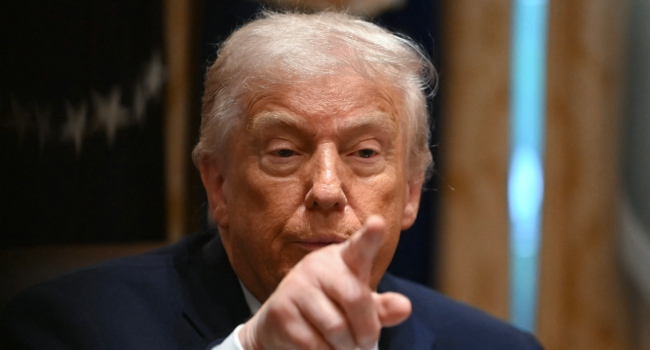
South Korea’s government has held emergency talks after US President Donald Trump announced plans to raise tariffs on South Korean goods, including automobiles, lumber and pharmaceuticals, from 15 percent to 25 percent, accusing Seoul of failing to fully implement a previous trade agreement with Washington.
Trump made the announcement on Monday via his Truth Social platform, claiming South Korea’s legislature had not enacted what he described as a “historic trade agreement,” prompting the proposed tariff increase. South Korea’s presidential office said it was not officially informed of the plan in advance and noted that any tariff hike would only take effect after formal administrative steps, such as publication in the US Federal Register.
On Tuesday, Seoul convened an emergency meeting involving senior officials, with Trade and Industry Minister Kim Jung-kwan joining remotely from Canada. The government said it would respond calmly while reaffirming its commitment to the agreement and confirmed that Kim would travel to Washington for talks with US Commerce Secretary Howard Lutnick.
The tariff threat comes months after the United States and South Korea finalized a trade and security deal following a meeting between Trump and South Korean President Lee Jae Myung in October. The pact included South Korean investment commitments and reduced US tariffs on key exports, notably lowering car tariffs from 25 percent to 15 percent. Trump’s latest move, if implemented, would reverse that reduction.
South Korea has maintained that the agreement does not require parliamentary approval, describing it as a memorandum of understanding rather than a binding legal treaty, though officials said they were still reviewing its legislative status.
The potential hike poses a major risk to South Korea’s export sector, particularly the auto industry, which accounts for 27 percent of the country’s exports to the United States. Higher tariffs could also weaken South Korea’s competitive position compared with Japan and the European Union, both of which currently enjoy 15 percent US tariff arrangements.
The Trump administration has not yet issued formal notices to enact the tariff changes. The threat is part of a broader pattern of aggressive trade rhetoric by Trump in recent days, including warnings to Canada over China trade ties and earlier tariff threats against European countries, some of which he has since walked back.