
 Adedokun Waliyu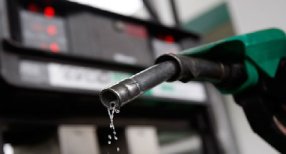
Germany and Philippines have announced fuel tax cuts as households struggle with rising energy costs triggered by the Middle East war.
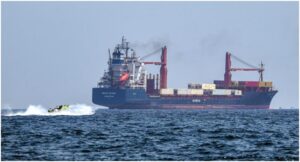
Oil prices surged again following the collapse of US-Iran peace talks and US President Donald Trump’s decision to impose a blockade on the Strait of Hormuz.
German Chancellor Friedrich Merz said the conflict “is the root cause of the problems we face in our own country,” warning it would have long-lasting economic consequences.
Following talks between his CDU party and coalition partners, Merz announced a temporary cut in fuel taxes, reducing petrol and diesel prices by about 17 euro cents ($0.19) for two months.
“This will very quickly improve the situation for drivers and businesses in the country, and above all for those who… spend a great deal of time on the road,” he said.
The German government also said employers could pay tax-free bonuses of up to 1,000 euros to help workers cope with rising inflation.
However, Merz cautioned that the state cannot shield citizens from all economic shocks, noting that “not all risks” from global disruptions can be absorbed.
To fund the relief, Finance Minister Lars Klingbeil said tobacco taxes would be increased.
Germany, Europe’s largest economy, has been hit hard by rising energy costs, alongside existing pressures from US tariffs and competition from China. Growth forecasts for 2026 have already been cut to 0.6 percent.
Meanwhile, Philippine President Ferdinand Marcos Jr. announced reductions in excise taxes on liquefied petroleum gas (LPG) and kerosene to ease the burden on households.
“We were hoping for a good outcome from the peace talks… but they were unable to strike a deal, which is why we will continue to help our people,” he said.
The price of LPG — widely used for cooking — will drop by 3.36 pesos per kilogram, while kerosene will be reduced by 5.60 pesos per litre.
Marcos added that further discussions would be held on possible tax cuts for gasoline and diesel, which are essential for public transport.
The Philippines relies heavily on Middle Eastern oil and imports refined petroleum from Asian refineries dependent on shipments through the Strait of Hormuz, which has been effectively closed.
As a result, diesel prices have more than doubled to about 145 pesos ($2.41) per litre since the war began, while food inflation has also accelerated sharply.