

 Adedokun Waliyu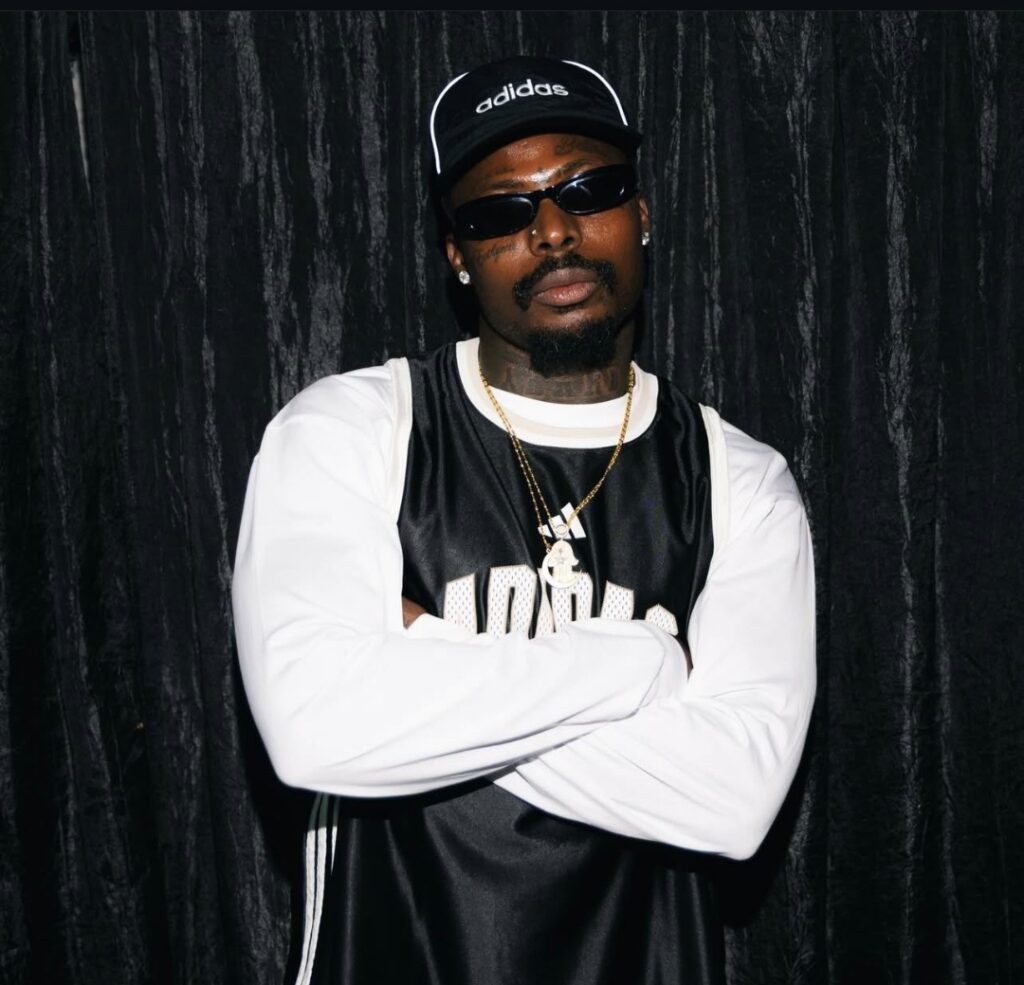
Nigerian singer Asake has once again stretched the boundaries of Afrobeats’ success on the global stage, extending his record as the artiste with the most entries in the history of the Billboard U.S. Afrobeats Songs chart.
With his collaborative track ‘Jogodo’ alongside Wizkid peaking at number four this week, the Lagos-born hitmaker has now amassed an unprecedented 60 entries on the chart.
The feat arrives at a time when Afrobeats continues to expand its international footprint, with artistes from Nigeria and South Africa dominating streaming platforms, major award circuits, and Billboard charts.
While Asake’s record highlights individual excellence, it also reflects the genre’s wider evolution from a regional sound to a global cultural force.
Unlike many chart achievements that hinge on a single runaway hit, Asake’s dominance has been built on sustained momentum.
His 60 Billboard U.S. Afrobeats Songs chart entries span solo releases, collaborations, and features, highlighting a level of consistency few of his contemporaries have matched.
The latest contributor to that tally, Jogodo, marks yet another successful collaboration with Wizkid, a partnership that has increasingly defined the upper tier of Afrobeats’ international sound.
The song’s climb to number four this week highlights Asake’s continued relevance in a highly competitive market crowded with new releases.
More importantly, his chart success isn’t short-lived; his songs consistently return across multiple weeks, showing strong listener loyalty rather than brief viral moments.
From Lagos Roots To Global Recognition
Born Ahmed Ololade in Lagos State on January 13, 1995, Asake’s rise mirrors the journey of many contemporary Nigerian artistes, shaped by the city’s street culture, religious influences, and rich musical heritage.
Before music became his primary focus, he studied Theatre and Dramatic Arts at Obafemi Awolowo University, an academic background that subtly informs his stage presence and performance style.
His musical breakthrough came in 2022 after signing with YBNL Nation, the label founded by rapper and executive Olamide.
That same year, he released his debut EP, Ololade, which introduced listeners to his fusion of Fuji-inspired vocals, street-pop lyricism, and Amapiano rhythms.
Tracks such as Omo Ope and Sungba quickly gained traction, not only within Nigeria but across African diaspora communities in Europe and North America.
The momentum carried into his debut album, Mr Money With The Vibe, released in September 2022, which shattered streaming records and debuted on the Billboard 200.
The project marked a turning point for both Asake and Afrobeats, proving that African artistes could sustain global attention beyond isolated singles.
Rooted deeply in Yoruba culture but easy to connect with anywhere in the world, his music travels across borders, languages, and platforms.
From packed arenas to viral moments online, Asake’s impact goes far beyond the charts, shaping youth culture and everyday lifestyle.
Expanded Albums Blueprint
Asake followed up with Work of Art in 2023. The project matched his Billboard 200 debut position and went on to become one of Nigeria’s most-streamed albums of the year.
By 2024, his third album, Lungu Boy, signalled a deliberate expansion of ambition.
Featuring collaborations with international heavyweights including Travis Scott, Stormzy, and Central Cee, the album recorded the biggest opening-day global streams for a Nigerian project on Spotify.
One of Lungu Boy’s standout tracks, MMS featuring Wizkid, broke first-day streaming records in Nigeria and later earned a Grammy nomination, highlighting how Asake’s music had moved beyond regional consumption into global awards consideration.
In 2025, Asake made a significant career move by parting ways with YBNL Nation and launching his independent imprint, Giran Republic.
The decision, widely interpreted as a bid for creative and business autonomy, was followed by the release of Why Love, a single that hinted at a more introspective and experimental direction.
Far from slowing his momentum, independence appears to have strengthened his output.
By early 2026, his steady release pattern and strategic collaborations continued to feed into his growing Billboard record.
The Wizkid Connection, ‘REAL, Vol. 1′
A major driver of Asake’s recent chart momentum has been his continued partnership with Wizkid.
In January 2026, both artistes released a joint EP titled REAL, Vol. 1, a project that drew immediate attention across streaming platforms.
The EP’s lead single, Jogodo, recorded the biggest single-day debut on Spotify Nigeria, while other tracks such as Turbulence and Iskolodo showcased the pair’s shared musical chemistry.
Beyond chart performance, the project symbolised a rare moment of collaboration between two artists at the peak of their careers, something fans and industry observers have long called for within the Nigerian music space.
The partnership also benefits from Wizkid’s own historic milestones, including recently becoming the first African artist to surpass 10 billion streams on Spotify.
While Asake’s achievement stands out, he is not alone in pushing African music forward on Billboard charts.
South African singer Tyla has continued her dominance on the U.S. Afrobeats Songs chart, with Channel holding the number one position this week.
Tyla was recently named Billboard’s top Afrobeats artist of 2025, and her breakout hit Water previously set a record for the longest-running number-one song on the chart, spending 55 weeks at the summit.
Meanwhile, Nigerian superstar Burna Boy reached another milestone this week after earning his first top-20 entry on the Billboard Hot 100.
His feature on Gunna’s WGFT, boosted by a remix with Chris Brown, peaked at number 16, making Burna Boy the first African artiste to debut on the Hot 100 in five consecutive years between 2021 and 2025.
These wins show a competitive but supportive African music scene, with different artistes breaking through in their own lanes globally.
Afrobeats: From Local Sound To Global Language
Afrobeats’ global ascent did not happen overnight. Rooted in the Afrobeat movement pioneered by Fela Anikulapo-Kuti, the modern genre evolved through the efforts of early crossover acts such as D’banj, Timaya, Wizkid, Davido, Tiwa Savage, among others.
The late 2010s marked a turning point, with streaming platforms and social media enabling African music to bypass traditional gatekeepers.
International hits like Essence, Calm Down, and Water helped reposition Afrobeats as a dominant global genre rather than a niche export.
Afrobeats playlists are now ranked among the most followed on Spotify and Apple Music, while African artistes regularly sell out arenas across Europe and North America.
Festivals that once marginalised African acts now feature them prominently.