

IRAN WAR: Strait of Hormuz to Remain Closed Until U.S. Meets Iran’s Demands
 Adedokun Waliyu
3 min read
Adedokun Waliyu
3 min read
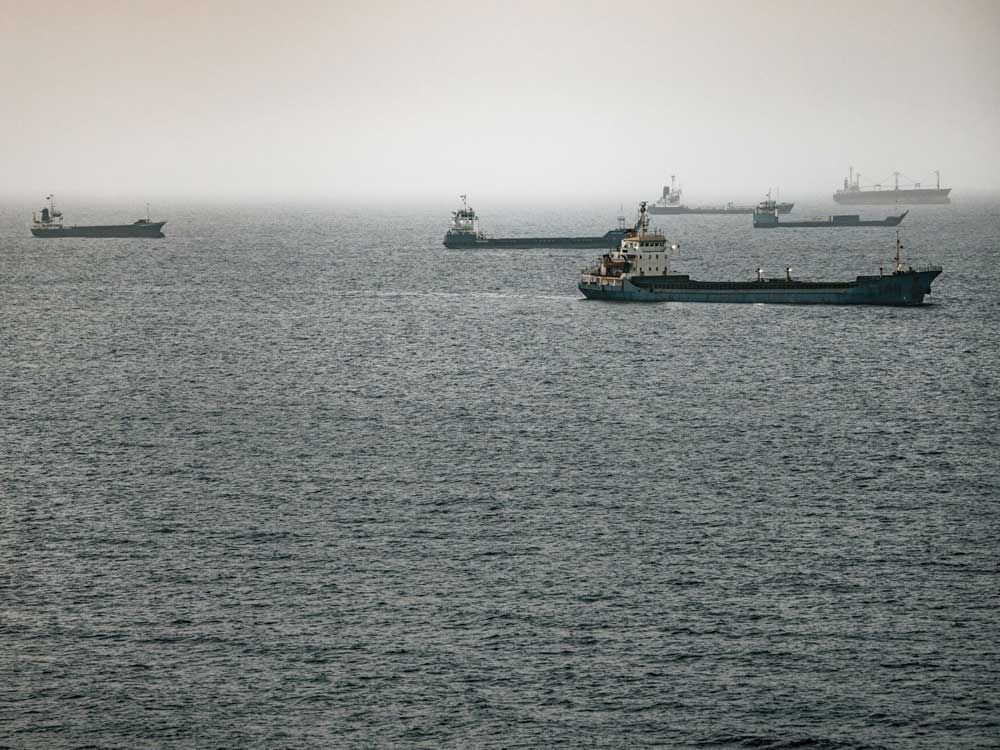
The conflict in the Middle East has reached another impasse, with Iran refusing to reopen the Strait of Hormuz unless the United States agrees to a series of demands. At the same time, Israeli Prime Minister Benjamin Netanyahu has rejected a U.S. proposal concerning Gaza, insisting that Israeli forces will not withdraw until Hamas is genuinely disarmed.
Iran’s Revolutionary Guards said the Strait of Hormuz would remain closed until the United States accepts all of Iran’s conditions.
The demands include lifting the U.S. counterblockade of Iranian ports, ending sanctions against Iran, releasing frozen Iranian assets and providing compensation for damage caused by the war.
Iranian Foreign Minister Abbas Araghchi said there were no ongoing negotiations between Tehran and Washington. However, he said discussions with Oman over possible joint management of the waterway were approaching their final stages.
Araghchi added that reopening the Strait of Hormuz would depend on several other issues, including compensation from the United States for what Iran described as violations of an interim agreement.
Iran Appoints New National Security Council Chief
Iran has appointed former Revolutionary Guards commander Mohsen Rezaei as the new Secretary of the Supreme National Security Council.
Rezaei, a senior military adviser and former commander of the Revolutionary Guards, replaces Mohammad Bagher Zolghadr.
Zolghadr has reportedly taken up a new role as a political adviser to Iran’s Supreme Leader, Ayatollah Mojtaba Khamenei.
Trump Says U.S. Is Quietly Negotiating With Iran
U.S. President Donald Trump said Washington was conducting negotiations with Iran on a low-key basis while maintaining economic pressure on Tehran.
Trump described Iran’s economic situation as very difficult, saying the country was facing severe inflation and financial challenges.
He expressed confidence that the situation would eventually be resolved, comparing the negotiations to a chess game.
Netanyahu Rejects Trump’s Gaza Plan
Israeli Prime Minister Benjamin Netanyahu has rejected a U.S. proposal for Gaza, saying Israeli forces will not withdraw from the territory until Hamas is genuinely disarmed.
The proposal had called for Israeli forces to withdraw as Hamas disarmed. However, disagreements have emerged over which should happen first—Israeli withdrawal or Hamas disarmament.
Despite rejecting parts of the proposal, Netanyahu said Israel remained in discussions with the United States and that some of Washington’s ideas were acceptable while others were not.
Houthis Claim Attack on Saudi Oil Facility
Yemen’s Houthi movement has claimed responsibility for an attack on a Saudi oil facility along the country’s Red Sea coast.
Saudi Arabia had earlier reported a fire at an Aramco oil facility and said the fire was brought under control.
Reports from the area indicated that several civilians and military personnel were killed or injured during attacks in the region.
Pentagon Urges Defence Companies to Increase Production
The U.S. Department of Defense has urged defence companies to accelerate the production and delivery of critical weapons systems amid concerns over ammunition shortages caused by the ongoing conflict.
Defence officials have asked companies to submit plans aimed at significantly increasing production and speeding up delivery schedules for key military equipment.
There have also been reports that the U.S. military has used a substantial portion of its long-range missiles and missile interceptors during the conflict with Iran. President Trump, however, has rejected claims of serious shortages, saying the United States has large quantities of military ammunition available.