World Bank: Nigeria Could Unlock $400bn Additional Revenue By 2040 By Investing In Girls
 Adedokun Waliyu
2 min read
Adedokun Waliyu
2 min read
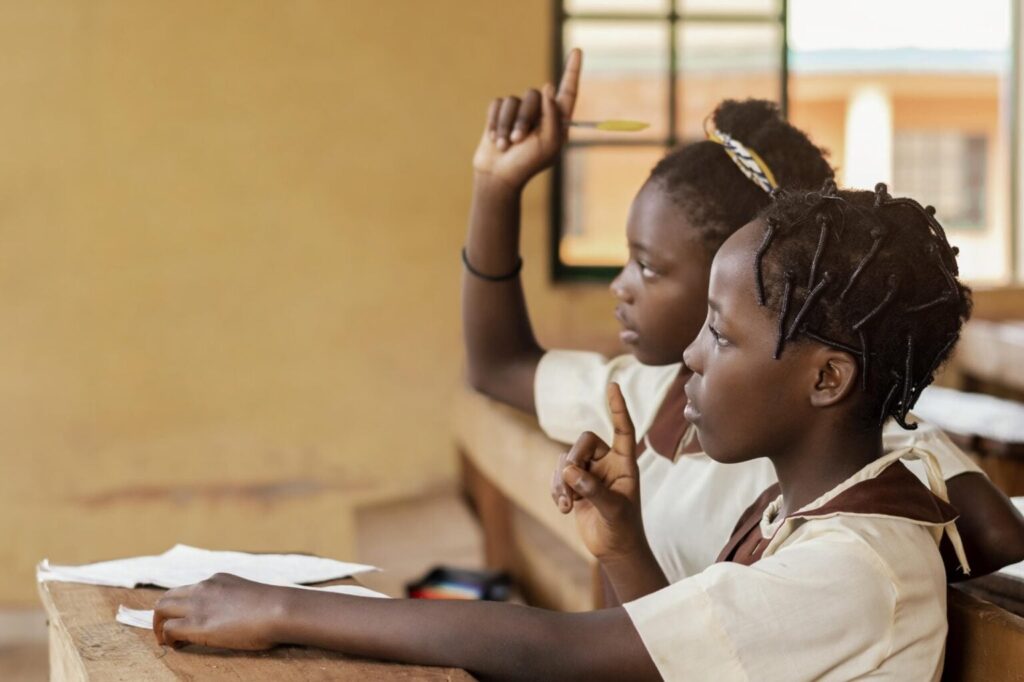
The World Bank says Nigeria could generate more than $400 billion in additional income by 2040 if it invests in adolescent girls.
According to a new report, achieving this would require about $37 billion in targeted investments in education, healthcare, and economic inclusion, positioning girls as a key driver of long-term economic growth and productivity.
The report noted that while Nigeria shows moderate levels of education and economic participation among girls aged 15–19, there are significant regional and socioeconomic disparities.
Girls in northern regions face higher levels of vulnerability. In the north-west, 55.1 percent are affected, followed by 46.4 percent in the north-east and 42.2 percent in the north-central. These vulnerabilities include being out of school, unemployed, married, or having children.
In contrast, lower vulnerability rates were recorded in the south-east (21.9 percent), south-west (22.5 percent), and south-south (25.1 percent), largely due to better access to education and economic opportunities.
The report linked these disparities to poverty, insecurity, and limited infrastructure, especially in northern Nigeria.
It also highlighted inequality in access to education. Only 15.9 percent of girls from the poorest households are in school, compared to 62.2 percent from the wealthiest households. Additionally, 59.3 percent of poor girls are neither in school nor working.
Marriage and childbearing were found to be significantly higher among poorer girls, affecting 38.6 percent of the poorest compared to just 3.6 percent of the wealthiest.
Despite these challenges, the World Bank emphasised that investing in adolescent girls presents a major opportunity for economic growth. It estimated that similar investments across Africa could generate up to $2.4 trillion in additional income.
The organisation recommended region-specific strategies, particularly in northern and rural areas, including expanding access to education, improving healthcare services, and addressing restrictive gender norms.
It also called for reducing the cost of schooling, expanding digital access, improving skills development, enhancing financial inclusion, and strengthening legal protections.
According to the report, targeted interventions could reduce inequality and unlock Nigeria’s economic potential.