
 Adedokun Waliyu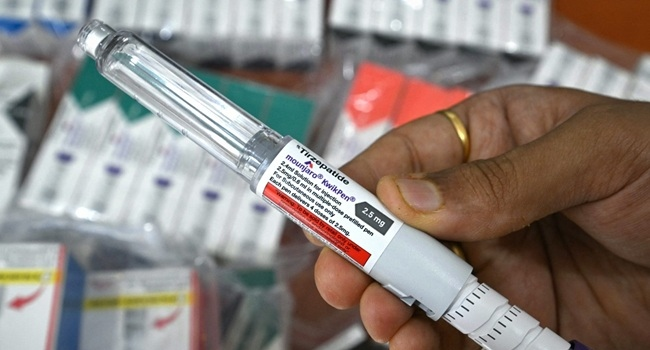
The US Food and Drug Administration has proposed new rules to restrict the production of copied versions of popular weight-loss and diabetes drugs by outsourcing facilities.
The agency plans to exclude the active ingredients used in these medications from its bulk substances list, which would limit the ability of such facilities to manufacture copies through a process known as compounding.
FDA Commissioner Marty Makary stated that when approved drugs are available, outsourcing facilities cannot legally compound them unless there is a clear clinical need. He said the move is aimed at protecting patients and maintaining the integrity of the drug approval process.
The FDA noted that it found no clinical need for compounded versions of semaglutide, used in Ozempic and Wegovy, or tirzepatide, found in Zepbound and Mounjaro. The proposal also includes liraglutide.
Compounding differs from generic drug production. Generic drugs are officially approved and must meet strict standards, including therapeutic equivalence to brand-name medications. Compounded drugs, however, are made using approved ingredients but are not themselves verified by the FDA.
Initially, U.S. regulators allowed compounding of these drugs due to high demand and limited supply. However, concerns have grown over safety risks, including issues with dosage, quality, and regulatory compliance.
If finalized, the new rule would restrict compounding of these drugs except in cases of shortages. The proposal is currently open for public comment until June 29.
Following the announcement, shares of pharmaceutical companies including Novo Nordisk and Eli Lilly rose, reflecting market confidence in the potential impact of the policy.