
Toronto Zoo Says Postmortem Report Shows Kiko The Giraffe Died Of Cardiac Arrest
 Adedokun Waliyu
3 min read
Adedokun Waliyu
3 min read
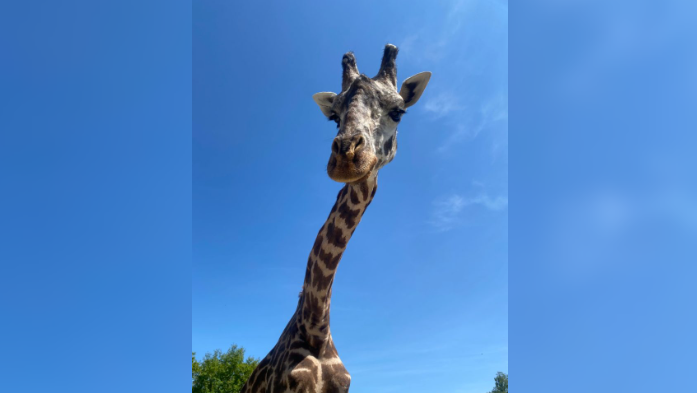
The Toronto Zoo provided an update on the death of its male Masai giraffe on Friday, after 13-year-old Kiko died on New Year’s Day.
Kiko was being given access to an additional area of his habitat not visible to the public when his head became trapped in a small gap between a slide/shift door and a vertical post as the door was opening.
The post mortem conducted at the Ontario Veterinary College, University of Guelph says this resulted in almost immediate death from cardiac failure associated with acute muscle exertion.
“This process, referred to as “exertional myopathy,” can occur with periods of intense increased activity – as was the case with Kiko trying to free himself – resulting in a release and subsequent build-up of muscle enzymes that cause tissue damage,” says the Toronto Zoo.
They added that a CT scan did not show any fractures or other abnormalities in Kiko’s neck, or any indication of an underlying condition that could have led to sudden death.
“This was a routine move for Kiko that our team has done thousands of times without incident, and staff were fully trained and followed procedures for shifting giraffes, which makes this outcome even more difficult for all who cared for Kiko to accept,” said the Zoo.
“Kiko’s loss requires us to face uncomfortable facts: this tragedy stemmed from an unforeseen vulnerability when the door is opening. While these results cannot ease our heartbreak, they do provide some clarity during this difficult time.”
The Zoo says that as a result of the findings, they will be launching a thorough review by an independent third party to look over human factors and processes. They will also review staff training documents to see if any updates are required and an inspection by the Association of Zoos and Aquariums (AZA) to review animal care processes has been booked.
In addition, an internal review of all animal habitat retrofits, both current and future, will be done to ensure the safety of all animals and staff, focusing on areas with hydraulic doors.
“We are committed to learning everything we can from this heartbreaking loss and making changes as required based on any findings to aid in preventing this from happening in the future at our Zoo or any zoo that is privileged to care for these majestic animals,” said the Zoo.
Meanwhile, the Zoo’s female giraffe Mstari is pregnant with Kiko’s offspring and the Zoo says they are continuing to support her to ensure she remains healthy and safe.
In response to questions about Mstari raising the calf on her own, the Zoo says male giraffe play little to no role in raising their calves.
“Parental care is almost entirely the responsibility of the mother and, at times, other females in a group setting. After mating, males largely resume their typical routines of feeding, roaming, and competing for access to receptive females rather than providing protection, guidance, or caring to their offspring. Calves instead depend entirely on their mothers for nursing, security, and social learning,” said the Zoo.