UNICEF Raises Alarm Over Poor WASH Services In Kano, Jigawa PHCs, Schools
 Adedokun Waliyu
1 min read
Adedokun Waliyu
1 min read
UNICEF has called for urgent local action to address the alarming state of water, sanitation and hygiene (WASH) services in primary healthcare centres and schools across Kano and Jigawa states, revealing that only six per cent of health facilities currently have access to basic WASH services.
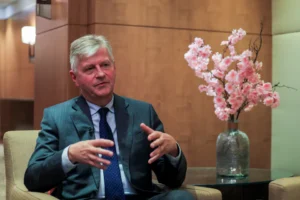
Speaking at a media and stakeholders’ dialogue in Kano, UNICEF’s Field Office Chief, Rahama Rihood Mohammed Farah, warned that poor access to clean water, toilets and handwashing facilities exposes millions of children to preventable diseases such as diarrhoea and cholera, increases school absenteeism—especially among girls—and undermines education and health outcomes.
Citing the 2021 WASHNORM II survey, he noted that nationally only 11 per cent of schools meet basic WASH standards, with rural Northwest Nigeria worst affected, adding that while some progress has been recorded in ending open defecation, sustained efforts are needed to translate gains into improved WASH services in schools and health facilities.