 Adedokun Waliyu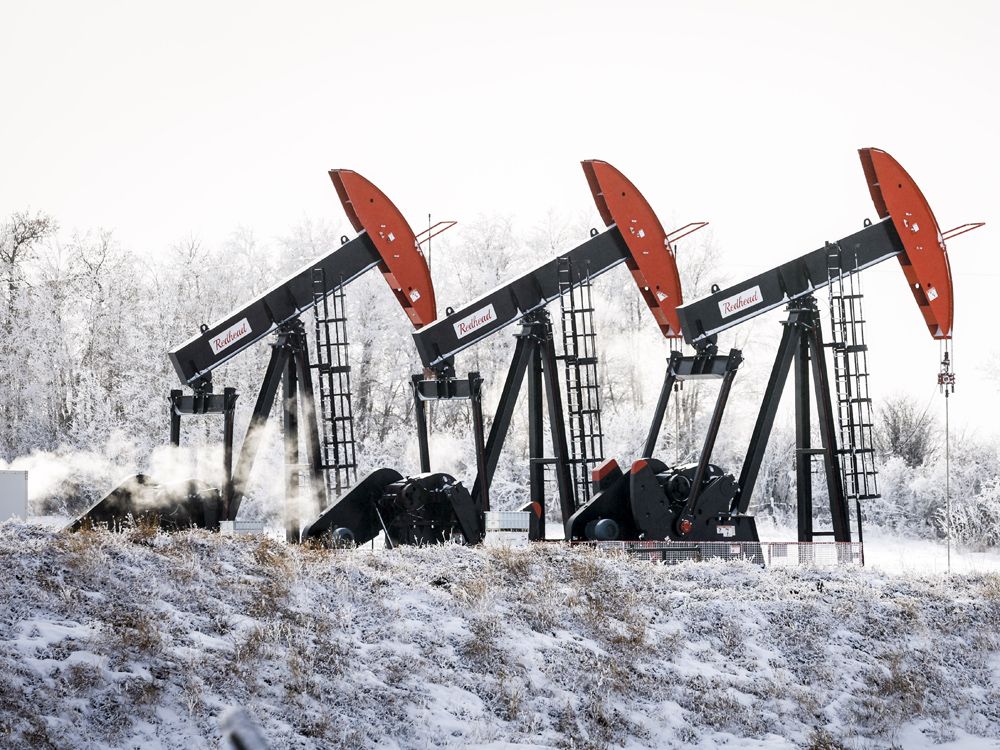
Prime Minister Mark Carney says his government is working to expand access to oil markets in Asia now that Canada faces the prospect of Venezuelan oil displacing Canadian product in the American market.
His remarks came after Conservative Leader Pierre Poilievre urged Carney to “immediately approve a pipeline to the Pacific Coast” in a letter shared on social media Tuesday morning.
Speaking in Paris during talks on Ukraine, Carney was asked whether U.S. President Donald Trump’s push to take control of Venezuela’s oil industry heightens the need for a pipeline to British Columbia’s northwest coast.
“We welcome the prospects of greater prosperity in Venezuela. But we also see the competitiveness of Canadian oil,” Carney said.
“And in that context, a pipeline and exports to Asia, we’ve got competitive product, and we’d be diversifying our markets, and that’s one of the reasons why we signed the comprehensive MOU with Alberta. So we’d be working toward that.”
The Trump administration shocked the world on Saturday after capturing Venezuelan President Nicolas Maduro in a military raid following months of airstrikes on Venezuelan boats that Washington said were smuggling drugs. Trump has said he plans to take control of Venezuela’s oil industry and encourage American companies to revitalize the sector.
Poilievre said the U.S. move has “altered the global energy landscape.” Canada and other democracies have condemned Maduro following the 2018 and 2024 elections, which were widely seen as stolen, and after years of alleged human rights abuses.
Poilievre said Canada was right to refuse recognition of what he called an illegitimate regime and expressed support for the Venezuelan people’s right to choose their future. He warned that Venezuela’s heavy crude production could rebound rapidly, putting it in direct competition with Canada for refinery capacity in the United States.
“Every barrel the United States sources from Venezuela could mean one less barrel these refineries would buy from Canada. We therefore need new markets to sell to, and we need them quickly,” he wrote.
Carney said a functioning and non-corrupt Venezuela producing more oil would be beneficial for regional stability and its people. He added that Canadian oil would remain competitive because it is low-risk and increasingly lower cost and lower carbon.
“There’s been huge progress in getting down the cost and low carbon, which is what the Pathways Project carbon capture will bring,” he said.
The memorandum of understanding signed late last year between Ottawa and the Alberta government links the proposed coastal pipeline project to the Pathways Alliance carbon capture project. Government officials have said both projects must proceed together.
Venezuela holds the world’s largest proven crude oil reserves, estimated at about 303 billion barrels, roughly 17 per cent of global reserves. Its oil industry has deteriorated after years of neglect and sanctions, though analysts say production could increase significantly with sufficient investment.
Poilievre noted that Carney has not clearly expressed support for a pipeline to the B.C. coast and that many Liberal MPs oppose the idea. Ottawa’s agreement with Alberta states that the pipeline would be privately financed, with Indigenous communities receiving benefits and co-ownership.
The agreement also says a pipeline application will be ready for submission to the major projects office by July 1. Poilievre called on the government to approve the proposal within 60 days.
On Monday, Alberta Premier Danielle Smith said recent events in Venezuela highlight the need to expedite pipeline development to diversify Canada’s oil export markets. She said Alberta is working to submit an application and expects swift federal action.